
Amazing, I’m getting access 😍 The best teaching materials on the market - they make my everyday work so much easier ❤️






What is the modal verb should and when do we use it?
The modal verb should is used to give advice (You should exercise regularly), make recommendations (You should try this restaurant), and express obligations or expectations (Students should arrive on time). Lingstar's conversation cards help students practice these uses naturally by discussing health advice, travel recommendations, and everyday situations requiring suggestions.
How do grammar charts help students learn modal verb should?
Our grammar charts provide clear visual representations of should usage, including positive statements, negative forms (shouldn't/should not), and question structures. These charts serve as quick reference guides during speaking activities, helping students apply the modal correctly while maintaining natural conversation flow.
What makes modal verb should in pictures effective for learning?
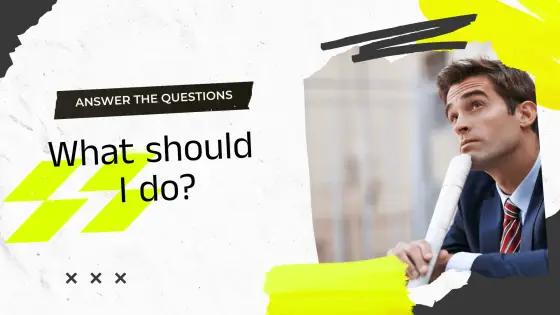
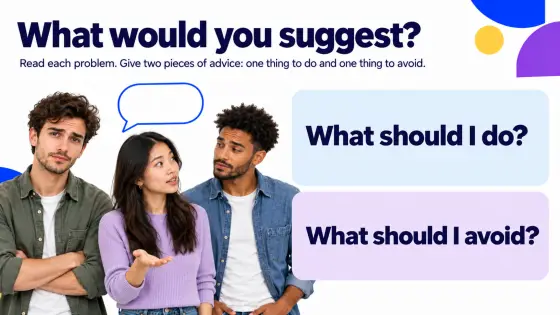
Modal verb should in pictures uses visual storytelling to present advice-giving situations in context. Students analyze scenarios and give appropriate advice, make recommendations based on images, and discuss what people should or shouldn't do – all using the modal verb should. This visual approach makes the grammar structure concrete and memorable.
Are these teaching resources suitable for all proficiency levels?
Absolutely! Our teaching resources for modal verb should cater to learners from A2 to C1 levels. Lower-intermediate students can start with simple advice and basic recommendations, while advanced students can engage in more complex discussions about moral obligations, expectations, and hypothetical advice.
Can I download these materials as free PDFs?
While Lingstar operates digitally to provide the best interactive experience, we offer over 100 free exercises including modal verb should activities. These digital teaching resources are accessible online, eliminating the need for printing and ensuring you always have the latest, most engaging materials at your fingertips.
What are grammar speaking drills and how do they work with should?
Grammar speaking drills are structured activities that help students practice modal verb should through repetition and variation. Unlike traditional drills, Lingstar's speaking drills are conversational and engaging, encouraging students to use should in authentic contexts like giving health advice, travel tips, and lifestyle recommendations.
How do conversation cards improve modal verb should usage?
Conversation cards provide natural contexts for using modal verb should. Students give advice to friends, recommend solutions to problems, discuss what people should do in different situations, and express expectations. This approach helps students understand when and why to use should, not just how to form it grammatically.
Can I use these resources in online classes?
Yes! All Lingstar materials, including grammar charts and conversation cards, are fully digital and perfect for both online and in-person lessons. Share your screen or send students your personalized link to access the assigned speaking activities seamlessly.
Why choose Lingstar for teaching modal verb should?
Lingstar offers a complete package of teaching resources for modal verb should, including free conversation cards, grammar charts, and speaking drills. We transform grammar teaching from boring exercises into engaging conversations, helping students truly master should through meaningful practice.
What types of speaking activities are available for modal verb should?
Lingstar offers diverse activities including advice-giving discussions, recommendation role-plays, problem-solving scenarios, health and lifestyle debates, and interactive grammar speaking drills. All activities use modal verb should in pictures and conversation prompts to keep students engaged while mastering the grammar.
How do grammar charts integrate with speaking practice?
Our grammar charts are designed to support, not replace, speaking practice. Students can quickly reference the charts during conversations to check should/shouldn't forms, question structures, or the difference between should, must, and have to. This integration helps them apply grammar rules accurately while maintaining conversational flow.
What's the difference between should, must, and have to?
While all express obligation or necessity, should indicates advice or recommendations (less strong), must expresses strong obligation or personal conviction, and have to indicates external obligation. Our teaching resources include comparison activities and conversation cards that help students understand and practice these modals, recognizing when each is appropriate.
Are the materials suitable for young learners?
Yes! The visual nature of modal verb should in pictures makes our materials particularly effective for young learners. The combination of images showing problem situations, simple prompts about advice, and clear grammar charts helps children understand and use should naturally through fun, age-appropriate conversations about daily choices.
Why does Lingstar use a subscription model?
The subscription model allows us to continuously create and update high-quality teaching resources, including new conversation cards, grammar charts, and speaking drills for modal verb should and other grammar topics. It ensures teachers always have access to fresh, engaging materials without worrying about individual purchase costs.
What makes Lingstar's approach to grammar teaching different?
Lingstar believes in grammar in speaking – we integrate grammar practice into natural conversations rather than isolated exercises. Our modal verb should resources use real-life contexts, visual aids, and meaningful discussions to help students internalize grammar through use, not memorization.
Do you offer free trials of modal verb should materials?
Yes! Lingstar offers over 100 free exercises, including modal verb should activities with conversation cards and grammar charts. This allows you to explore our teaching resources and see how they transform your grammar lessons before committing to a subscription.