
I love you guys! You’ve been a regular part of almost every lesson for years.




What is World Animal Day and when is it celebrated?
World Animal Day is celebrated every year on 4 October, the feast day of St Francis of Assisi, the patron saint of animals. The first World Animal Day was organised by Heinrich Zimmermann in Berlin in 1925, and today it is an international day of action for animal welfare. For English teachers, it is a natural occasion for a themed lesson in which students talk about their favourite animals, the pets they have or would like to have, and the way people treat animals.
How can I celebrate World Animal Day in my English class?
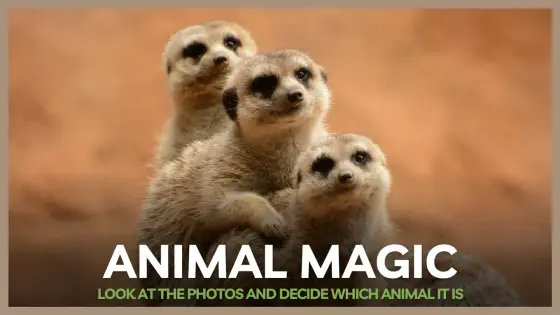
Open the lesson with a quick warm-up, such as guessing an animal from a close-up of one small body part, and then move on to a longer discussion in pairs or small groups. Beginners can describe animals and compare them, while upper-intermediate and advanced groups can explain animal idioms or discuss which ways of using animals are acceptable. With Lingstar's discussion starters, you can build the whole lesson around animals without writing a single question yourself – you open an activity, display it and let your students talk.
What animal activities does Lingstar offer?
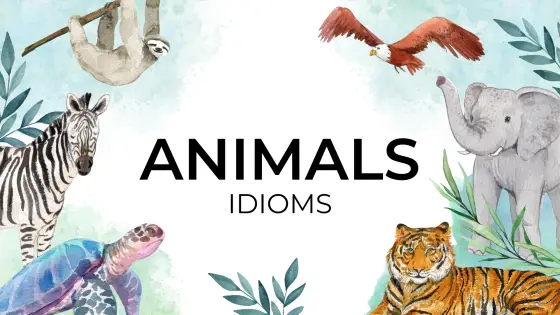
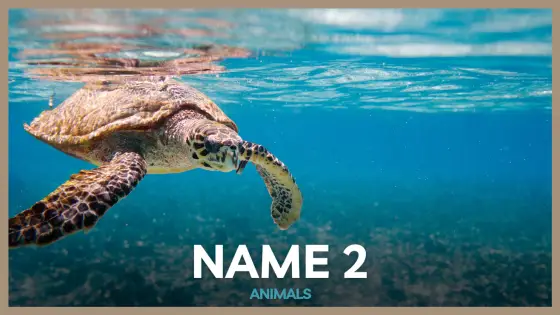
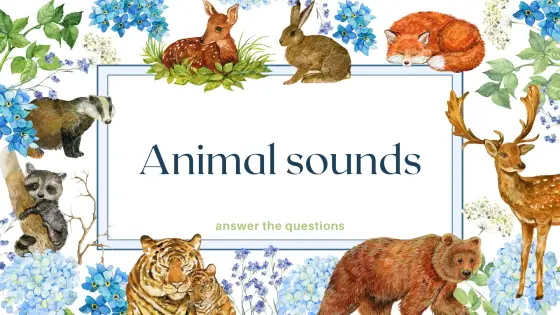
Lingstar has more than a dozen animals ESL speaking activities, in formats your students already know and enjoy: a close-up guessing game, "Name 2" challenges, questions for describing animals, comparatives and superlatives, animal idioms, questions about animal sounds and discussions about wildlife, the environment and the way people use animals. There are also two listening activities: a short story about a pet cat for beginners and an audio journey into the Amazon jungle for advanced learners. Each speaking activity is a set of ready-made ESL speaking cards designed to get the whole class talking.
Which levels are the animal activities for?
The animal activities cover levels from A1 to C1, with most of them at A1–A2 and B2–C1. Beginners describe animals, guess them from close-up pictures and compare them using comparatives and superlatives. Upper-intermediate and advanced learners explain animal idioms, react to questions about animal sounds and discuss wildlife, the environment and animal welfare. With a B1 group, you can use the A2 guessing games as a warm-up and try the B2 idioms about cats and dogs as a challenge.
What questions can I ask my students about animals?
The best discussion starters for World Animal Day are simple, personal and open. What is your favourite animal, and why? Have you ever had a pet? Which animal would you like to be for a day? Is it right to keep wild animals in zoos? Lingstar's activities are full of questions like these, arranged by level and ready to display, so you can focus on the conversation rather than on preparation.
How can I talk about animal welfare with advanced students?
World Animal Day is about animal welfare, so it is a good moment for a more serious conversation. In one of the B2–C1 activities, students decide which ways of using animals are acceptable and which are not, and give reasons for their opinions. Another one links wildlife to the environment and asks, for example, whether actions such as Earth Day make sense. Topics like these give advanced learners plenty to say and a chance to practise the language of opinion, agreement and disagreement.
Can I practise grammar with the animal activities?
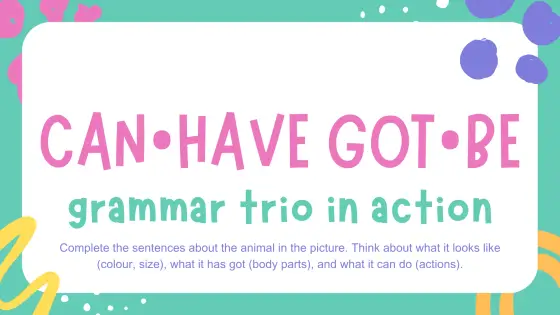
Yes. Several activities combine animals with grammar that beginners are learning anyway. Students compare animals using comparatives, answer questions with superlatives and use "can", "have got" and "be" to say what animals are, what they have and what they can do. It is an easy way to revise grammar through a topic that almost every student enjoys.
Are there listening activities about animals?
Yes, two of them. Beginners can listen to a short story about a pet cat, and advanced learners can go on an audio journey deep into the Amazon jungle. Both recordings are a good starting point for a conversation – play them first, and then let your students talk about their own pets or the wild places they would love to see.
How much preparation do the activities need?
None. Every activity is ready to display on your projector, interactive whiteboard or computer screen, so you simply open it and start the lesson – no copying, cutting or laminating. This makes World Animal Day easy to celebrate even in a busy week.
Can I use these activities in online lessons?
Yes. Open the activity on your computer and share your screen or browser window in the video-call tool you already use with your students. Full-screen mode keeps the cards large and easy to read, so the conversation runs just as smoothly as in the classroom. The same activities work equally well in one-to-one lessons and with larger groups.
How do I find the animal activities in Lingstar?
Log in to Lingstar and type "animals" into the search bar. You will see the animal activities for every level, from beginner to advanced, and you can open any of them straight away. It takes less than a minute, so you can find the right activity even during the break before your lesson.
Can I try any of the animal activities for free?
Yes. With a free Lingstar account, you can open "Idioms – animals", a B2–C1 activity about animal idioms, together with other free speaking activities from the library. The rest of the animal activities are part of the premium membership.
Can I use these activities after 4 October?
Of course. Animals are one of the most popular topics in English lessons – for beginners learning their first adjectives and for advanced groups who enjoy a good debate. The teaching resources about animals stay available in Lingstar all year round, so you can come back to them whenever they fit your plan.
Why should English teachers choose Lingstar?
Lingstar is built specifically for English teachers who want to spend less time preparing and more time teaching. It offers a large and growing library of ESL speaking cards, discussion starters and other teaching resources, arranged by level and topic and ready to display in class. For World Animal Day – and for every other lesson – you open an activity and your students start speaking.